Software & Infrastructure
We develop open source OCR, NER, sentiment analysis and social network analysis tools tailored for Ottoman–Turkish studies.

"Digital Humanities and Artificial Intelligence at Türkiye's Technology Base"
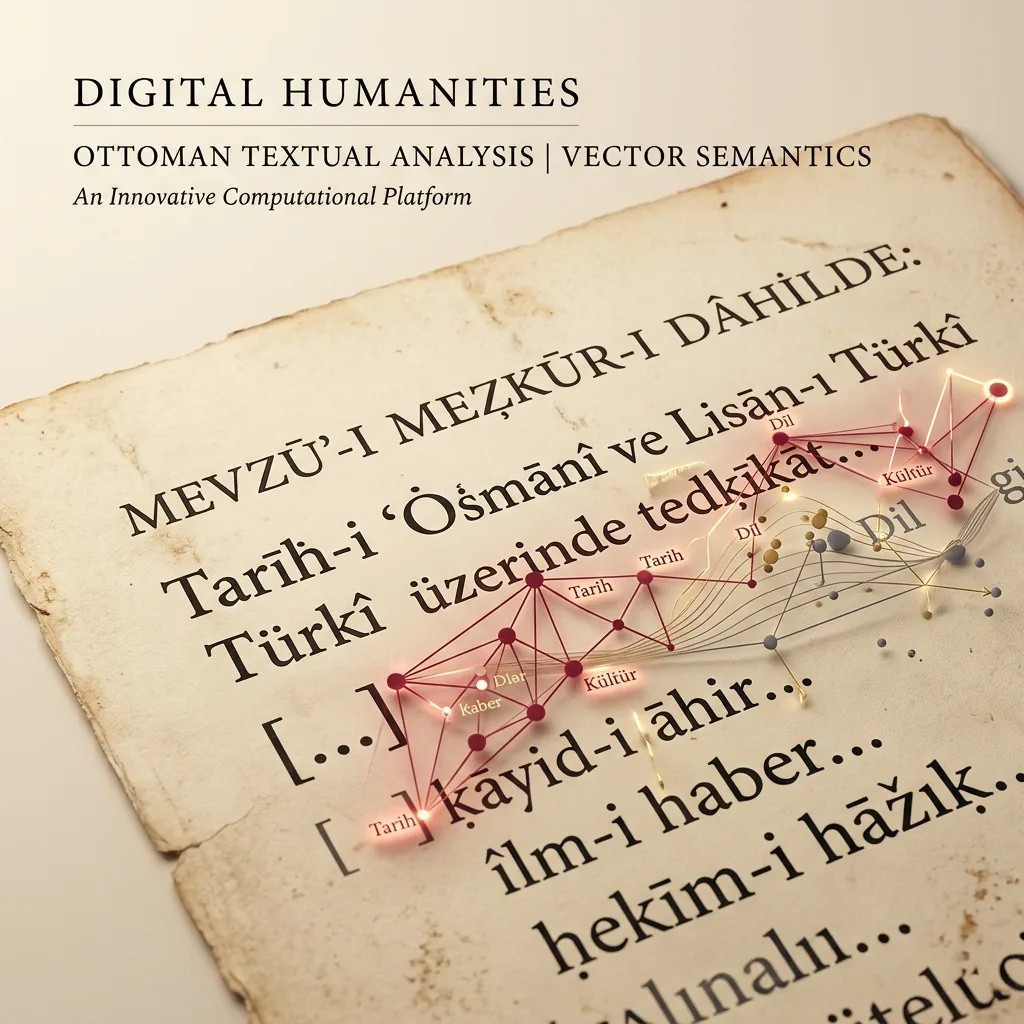
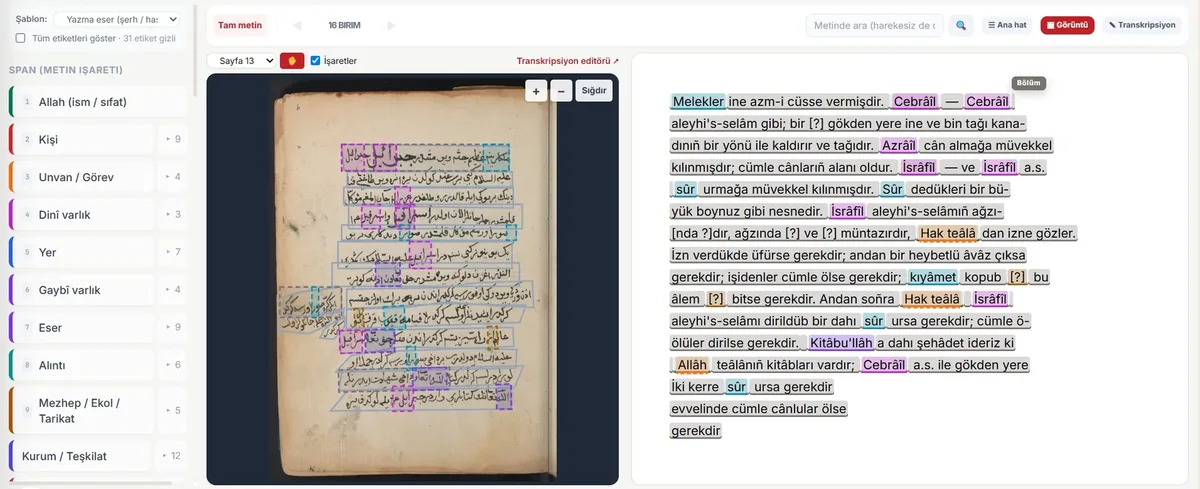
We develop open source OCR, NER, sentiment analysis and social network analysis tools tailored for Ottoman–Turkish studies.
We provide consultancy in digital humanities methodology, historical data modeling and research design.
We accompany researchers end-to-end in model training, data annotation, digitization and infrastructure setup.
Join our community effort to train open-source handwritten text recognition models across 8 Ottoman script styles (Rika, Nesih, Talik, Divani, Siyakat, Matbu, Celi, Nestalik) through line-by-line Latin transliteration.
Sign up for a free account to run topic modeling, NER, sentiment analysis, stylometry, network analysis, and source-cited "Ask Corpus" (RAG) on Turkish and Ottoman texts with zero coding.
Request a free collaborative workspace on our lab infrastructure for facsimile-aligned transcription, multi-layer annotation, curation, and TEI P5 / IIIF export.
Test single words, analyze texts and corpora up to 5 MB, and run batch queries via the open JSON REST API with no registration required.
Program and details from the workshop held on October 10, 2025 remain accessible on the workshop archive page.
Developed by Dr. Yasemin Özcan Gönülal and Dr. Mustafa İlter as an output of the TUBITAK 1001 OSPA project (323K372), the Ottoman Turkish Etymology Classifier is now live. Powered by a hybrid character-CNN and Zemberek lemmatization (83.62% accuracy), it maps texts and corpora across Turkish, Arabic, Persian, and Western lexical layers with CSV/JSON/PDF reports and a REST API.
Tetebbu, our open-source hosted computational text analysis platform for Turkish and Ottoman-Turkish texts, is now live. Upload CSV, PDF, DOCX, or TEI-XML files, curate corpora in Data Studio, and run 14+ engines — including LDA/BERTopic, NER, sentiment, stylometry, networks, and grounded "Ask Corpus" (RAG) — without writing a line of code.
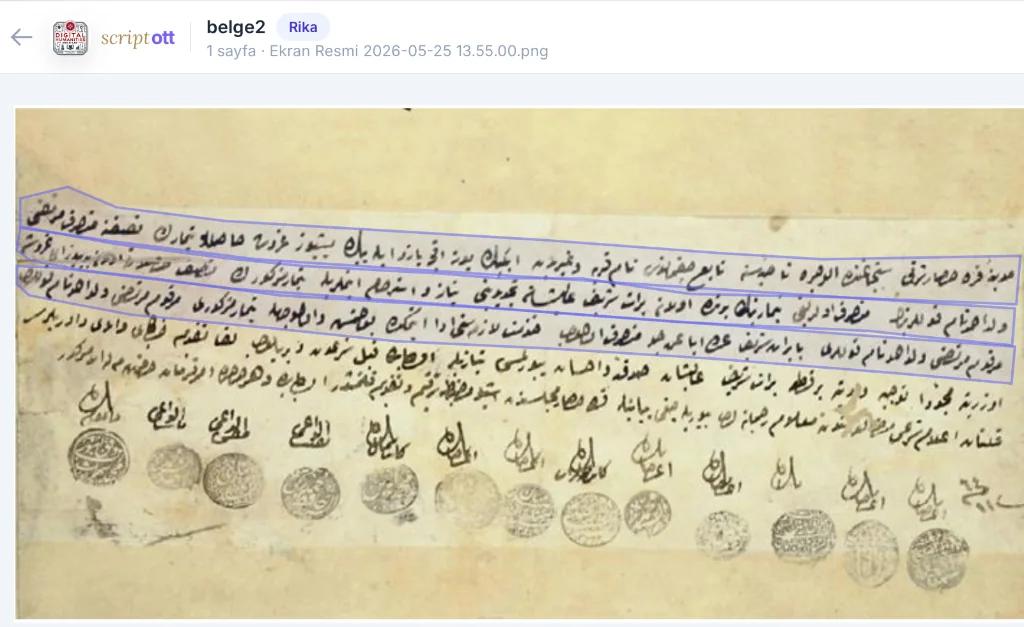
Built to train open-source handwritten text recognition (HTR) models across 8 Ottoman script styles (Rika, Nesih, Talik, Divani, Siyakat, Matbu, Celi, Nestalik), scriptott offers Kraken automatic line segmentation, a manual polygon drawing editor, and community line-by-line transliteration.
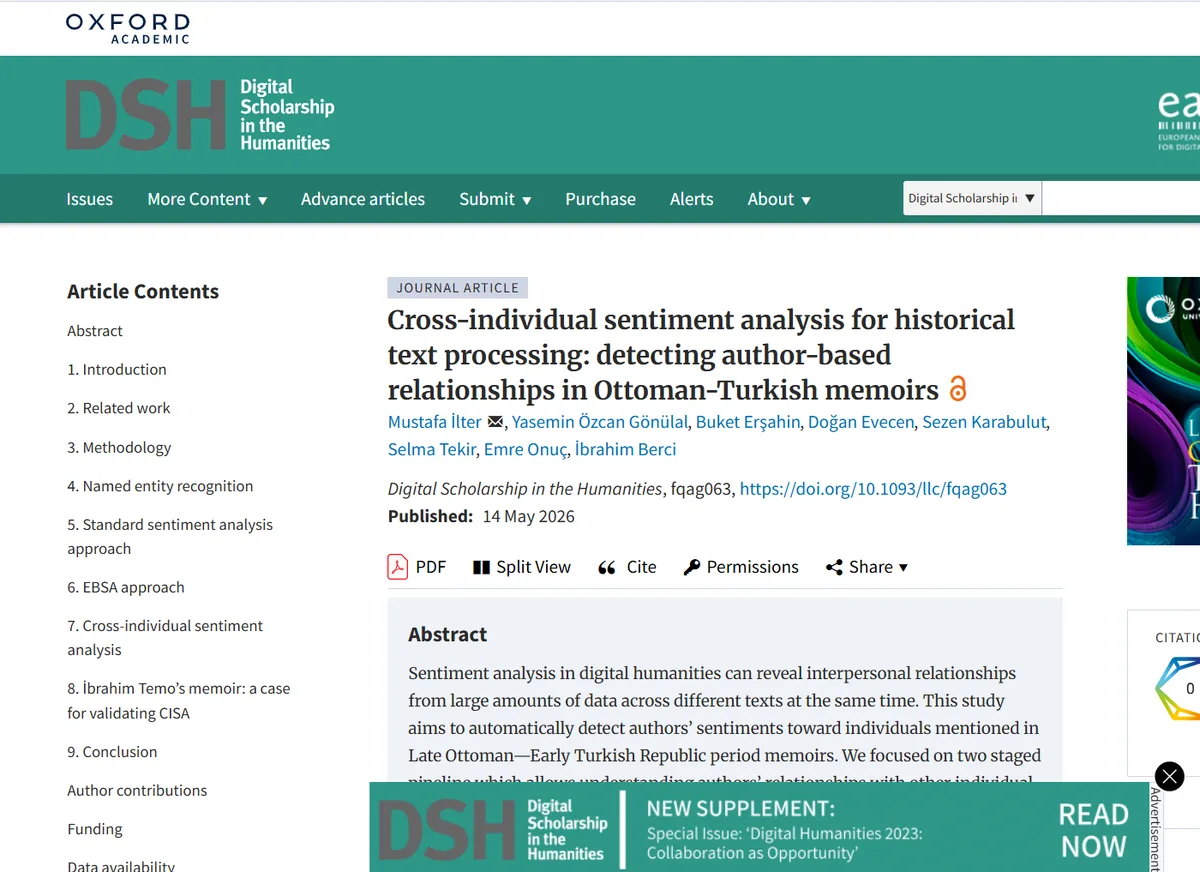
The study titled "Cross-individual sentiment analysis for historical text processing: detecting author-based relationships in Ottoman-Turkish memoirs" by our team members Mustafa İlter, Yasemin Özcan Gönülal, Buket Erşahin, Doğan Evecen, Sezen Karabulut, Selma Tekir, Emre Onuç, and İbrahim Berci has been published in "Digital Scholarship in the Humanities" (Oxford Academic).
Developed by our laboratory, Etykette unites facsimile-aligned transcription for manuscripts and archival documents, multi-layer text annotation, Wikidata entity linking, inter-annotator agreement (IAA), curation, and TEI P5 / IIIF / PAGE-XML / CoNLL export in one collaborative platform.
Hosted by Mersin University, with our laboratory contributing scientifically as the Symposium Advisory Board, the symposium themed "Digital Literature" will be held on October 15-16, 2026. Abstracts for the symposium, which aims to bring together researchers to discuss current studies and innovative approaches in digital literature, are accepted until September 1, 2026.
Dr. Yasemin ÖZCAN GÖNÜLAL from our team has been elected to the Editorial Board of the newly established "Sakarya Journal of Digital Humanities." We hope this new publication will leave a lasting mark in contributing significantly to the digital humanities literature; we congratulate our esteemed researcher on this new role and wish her continued success.
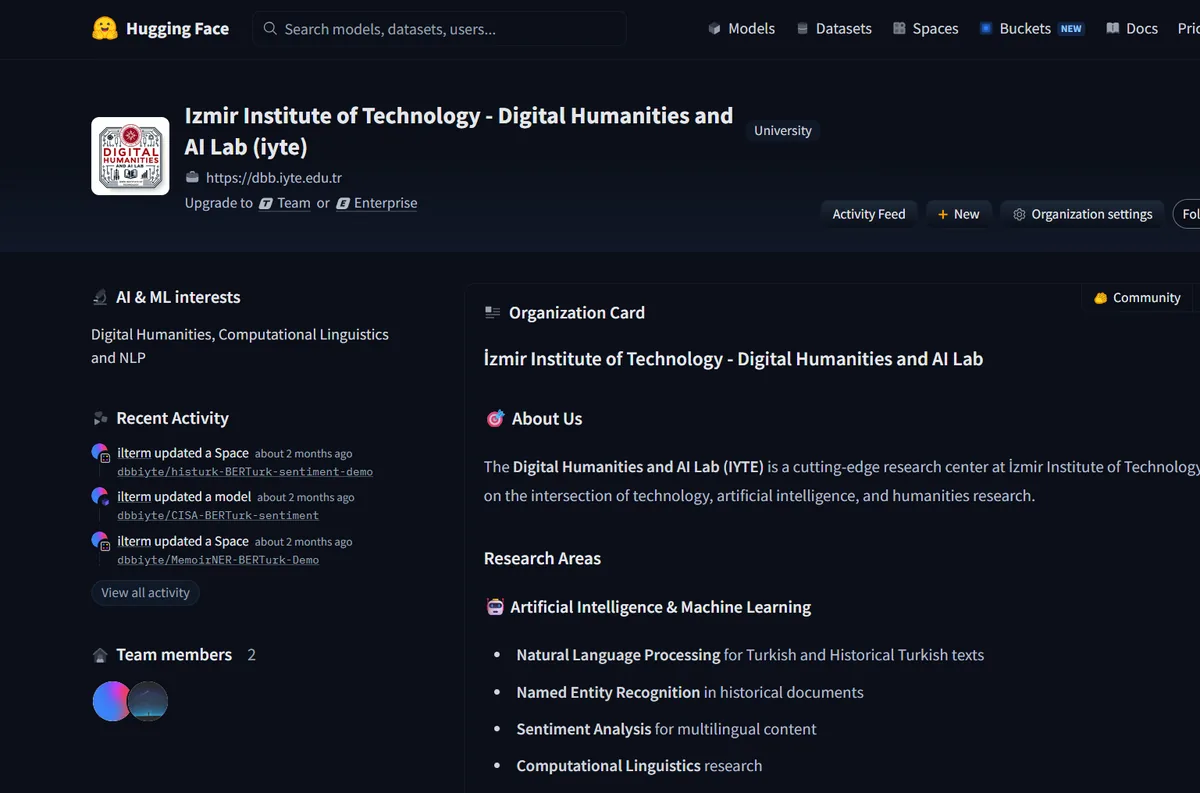
We have published our Sentiment Analysis and NER models for Ottoman and Turkish texts on Huggingface! You can try and download our sentiment analysis models, which are the first BERTurk-based models specifically trained for sentiment analysis in Ottoman texts, by visiting our Huggingface page.
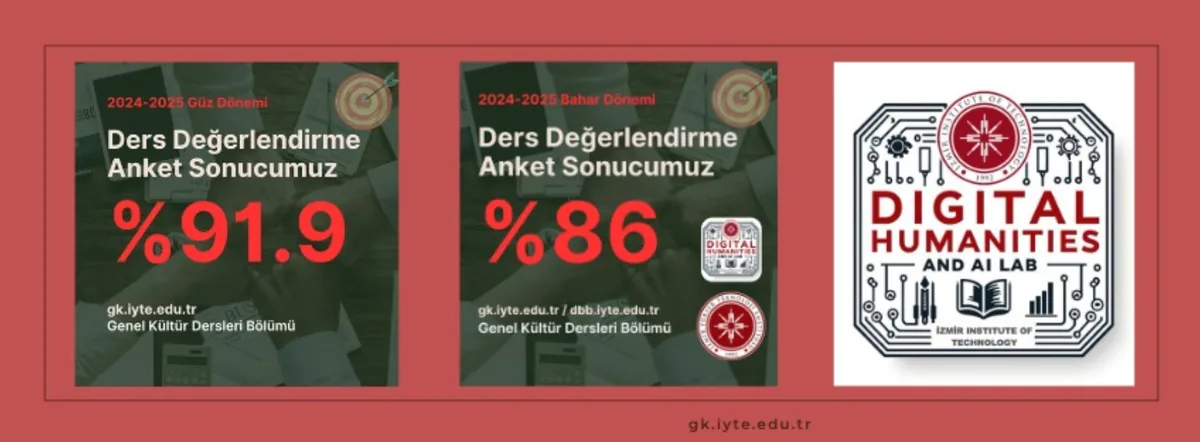
A comprehensive course evaluation system developed using artificial intelligence technologies has been implemented for the end-of-term evaluations of courses offered within the Department of General Cultural Courses. The system analyzes student performance multi-dimensionally to provide fair and objective evaluation.
Learn more about our laboratory
The Izmir Institute of Technology (IYTE) Digital Humanities and AI Laboratory offers an innovative research environment that aims to transcend the boundaries between the humanities and technology. With a team of experts in history, linguistics, literature, computer science, geographic information systems and cultural heritage, we develop open-source software infrastructure for Ottoman–Turkish studies and provide methodological and technical support to researchers.
To produce research projects and academic publications in digital humanities and artificial intelligence by combining traditional humanities methods with digital technologies; to foster collaborations and provide education and consultancy to graduate students.
To help shape a future where technology merges with the humanities, and to build a nationally specialized, open-source and sustainable research infrastructure for Ottoman–Turkish studies.
Through an interdisciplinary approach that brings together experts from different fields, we design multifaceted and innovative projects and encourage knowledge sharing through seminars, workshops and conferences.
Our focus: Our laboratory is a nationally specialized research unit that produces open source software infrastructure (OCR, NER, sentiment analysis, prosopography and social network analysis) for Ottoman–Turkish studies, and offers theoretical methodology and technical support to researchers in the field.
Click an area to jump to the related research group.
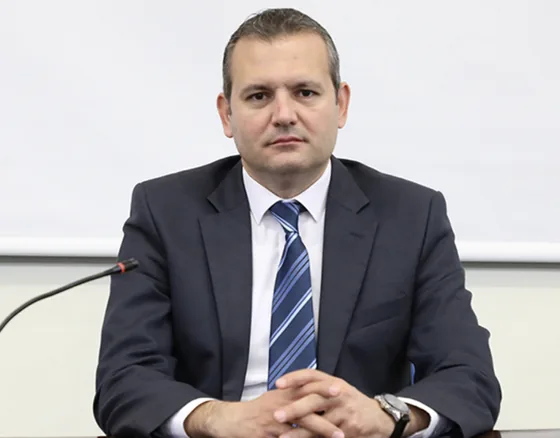
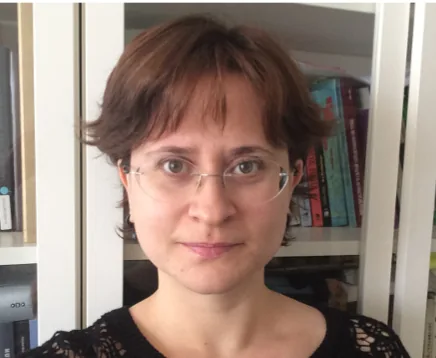
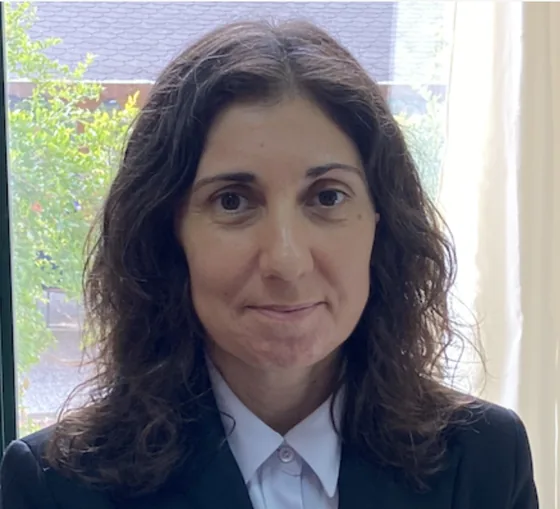
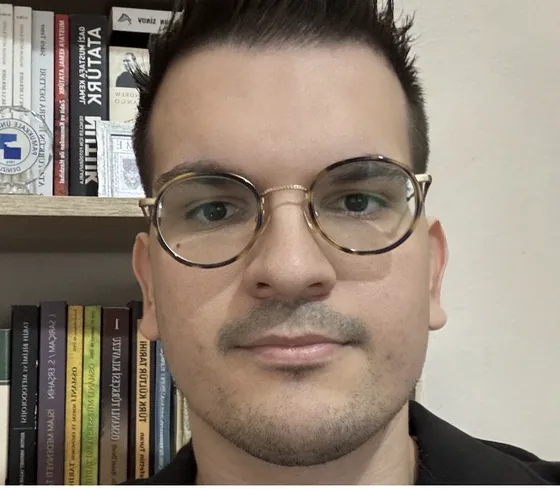
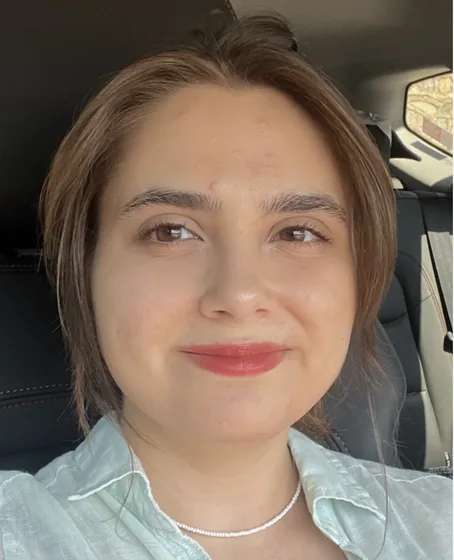
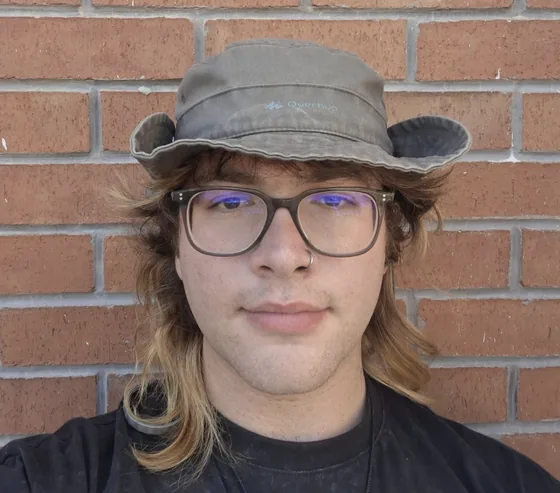
Meet our expert staff
Core team running the laboratory
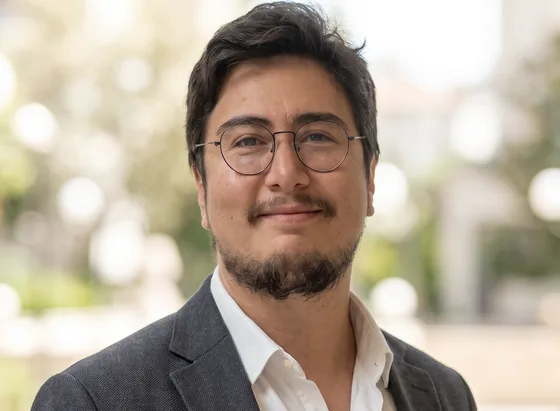
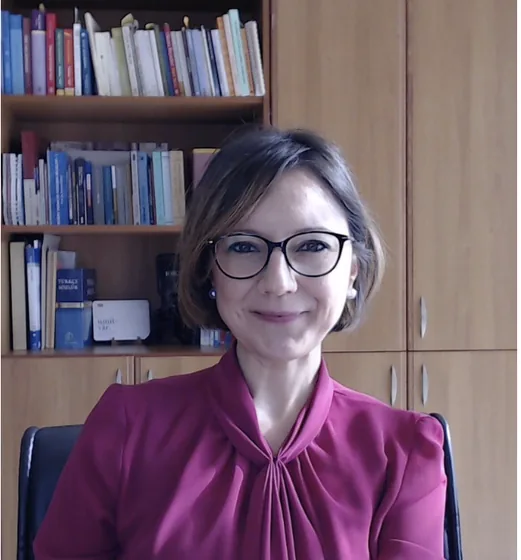
Coordinator
İzmir Institute of Technology
PhD: Boğaziçi University, Atatürk Institute for Modern Turkish History, 2021
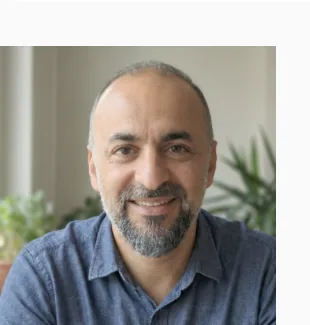
Member
İzmir Institute of Technology
PhD: Dokuz Eylül University, Turkish Language and Literature, 2012
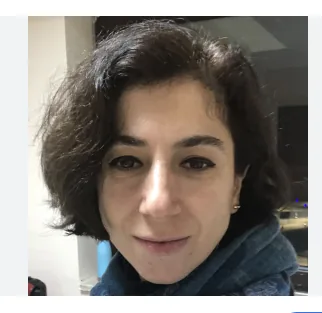
Member
İzmir Institute of Technology
PhD: Kocaeli University, Turkish Language and Literature, 2021
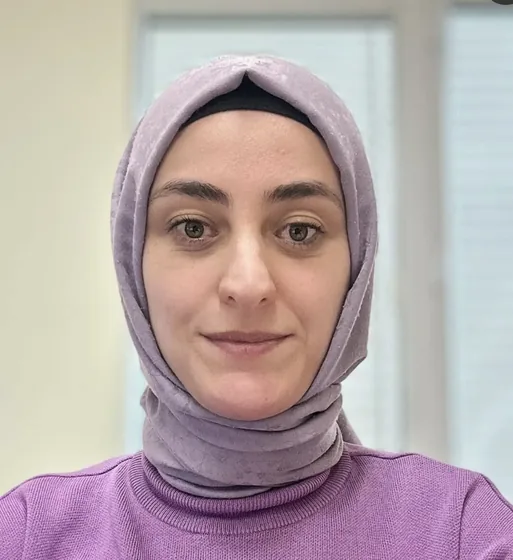
Member
Marmara University
PhD: Hacettepe University, Institute of Social Sciences, 2017
Member
Pamukkale University
PhD: Hacettepe University, Computer Engineering, 2024
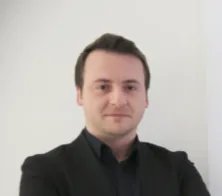
Member
PhD: Hacettepe University, Geological Engineering, 2019
İzmir Institute of Technology
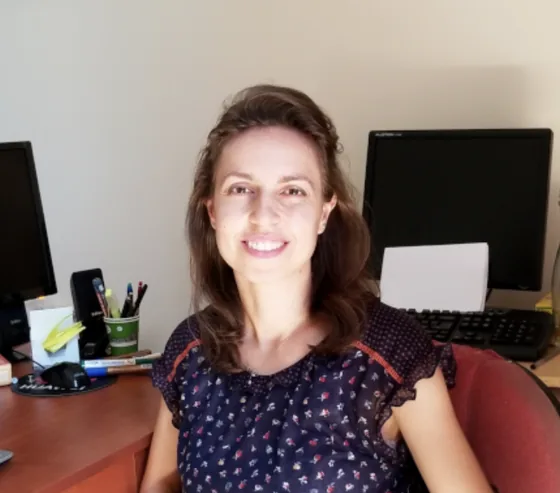
Member
İzmir Institute of Technology
PhD: Dokuz Eylül University, Computer Engineering, 2021


Open source tools and platforms we develop for Ottoman–Turkish studies
End-to-end Ottoman–Turkish digital humanities workflow from raw document to publication
End-to-End Digital Humanities Platform
An open-source, no-code computational text analysis platform for Turkish and Ottoman-Turkish material. Combines multi-format ingestion, Data Studio, Hijri/Rumi/Gregorian calendar conversion, topic modeling (LDA, DTM, BERTopic), stylometry, NER, sentiment, networks, intertextuality, and grounded "Ask Corpus" (RAG) Q&A in one reproducible environment.
Manuscript, Text Annotation & Digital Editions Platform
A collaborative open-standards platform uniting facsimile-aligned transcription for manuscripts and archival records, multi-layer annotation (NER, relations, coreference, sentiment), Wikidata entity linking, IAA & curation, and TEI P5 / IIIF / PAGE-XML / W3C / CoNLL export.
Crowdsourced Ottoman Handwriting (HTR) Platform
A community transcription platform dedicated to training open-source HTR models across 8 Ottoman script styles (Rika, Nesih, Talik, Divani, Siyakat, Matbu, Celi, Nestalik). Features Kraken (eScriptorium-compatible) automatic line segmentation, manual polygon drawing for skewed lines, and training-ready ZIP exports.
Historical Document OCR Framework
An advanced OCR system that produces Markdown and XML output from PDF / TIFF / JPG scans. Integrates Surya 0.17 + DocLayout-YOLO + UVDoc with page-layout detection and warped-page correction.
Prosopography & Social Network Platform
A Docker-based end-to-end platform built on Flask + React + Neo4j: historical person-network collection, duplicate detection (Levenshtein + BERT), 2D/3D network visualization and statistical analysis with R.
NER, Sentiment and CISA Python Library
A BERTurk-based PyTorch framework that analyzes Late Ottoman (1900–1950) Turkish memoirs. Exposes NER, classical sentiment analysis and cross-individual sentiment analysis (CISA) through a single API.
Ottoman-Turkish Text & Corpus Origin Mapper
A hybrid character-CNN + Zemberek deep learning tool (83.62% accuracy) classifying Ottoman-Turkish and Early Republican vocabulary into Turkish, Arabic, Persian, and Western origin layers. Supports live single-word testing, up to 5 MB text & corpus analysis, CSV/JSON/PDF reports, and a REST API with no registration required.
BERTurk-based AI models and datasets we have published on HuggingFace
A model for recognizing person (PERSON), location (LOC) and organization (ORG) entities in Ottoman-Turkish memoirs.
Classical sentiment analysis (positive / negative / neutral) on historical Turkish texts.
A novel cross-individual sentiment analysis model that detects the author's sentiment toward specific individuals mentioned in a text.
Hybrid character-CNN + 10 linguistic rule features classifying words into Turkish, Arabic, Persian, and Western origins — an OSPA output (MIT).
A 202-sentence annotated test set for cross-individual sentiment analysis, compiled from İbrahim Temo's memoir.
Try our models directly on this page via HuggingFace Spaces
The Etymology demo runs instantaneously on IYTE servers; HuggingFace Spaces demos may take ~30 seconds to wake up on first load.
Our ongoing research and digital infrastructure projects
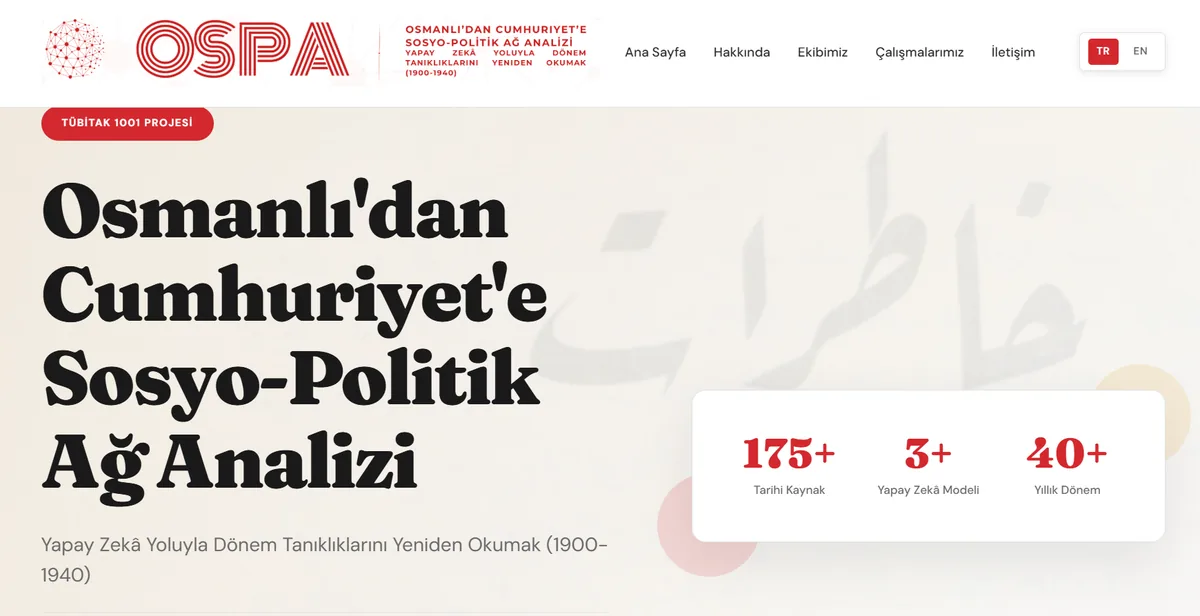
Examines socio-political networks across the 1900–1940 transition from the Late Ottoman Empire to the Early Turkish Republic through period testimonies, combining artificial intelligence, natural language processing (NER and cross-individual sentiment analysis), and historical social network analysis.
Analyzes reader letters published between 1923 and 1938 from a "history from below" perspective using hybrid artificial intelligence, natural language processing (NLP), and large language models (LLMs), examining how everyday public demands and critiques interacted with the government agenda.
An open-source hosted research infrastructure enabling historians, literary scholars, and
humanities researchers to move from raw files to publication-grade outputs without
programming or command-line setup. Integrates Turkish/Ottoman preprocessing (tetebbu-nlp),
versioned corpora, topic modeling (LDA, BERTopic), stylometry, NER, sentiment, networks,
and "Ask Corpus" Q&A.
A collaborative workspace supporting both Latin and right-to-left Arabic-script manuscripts and archival materials with facsimile-aligned transcription, multi-layer entity, relation, and coreference annotation, Wikidata linking, and curation. Exports in TEI P5, IIIF, PAGE-XML, ALTO, W3C Web Annotation, CoNLL, and RDF/JSON-LD.
A community-driven initiative building open-source handwritten text recognition (HTR) models for Ottoman-Turkish manuscripts. Across 8 script styles (Rika, Nesih, Talik, Divani, Siyakat, Matbu, Celi, Nestalik), volunteers combine automatic line segmentation with line-level Latin transliteration to curate high-quality training datasets.
Peer-reviewed journal articles and international conference papers
Get in touch with us
Izmir Institute of Technology
Department of General Cultural Courses
Gulbahce Campus, 35430 Urla/Izmir, Türkiye
dbb@iyte.edu.tr
+90 232 750 7801
+90 232 750 7817
Articles, invited talks, models and datasets by our laboratory
"Unveiling Sentiment Weighted Network Analysis (SWENA) with ERGM in Ottoman-Turkish Memoirs: A Hybrid Causal Analysis"
"Dijital Beşerî Bilimler Bağlamında Aşağıdan Tarih: İkinci Meşrutiyet Basınında Halk ve Hükümet Gündeminin Yapay Zekâ Yöntemleriyle Analizi (1908–1909)"
"Cross-Individual Sentiment Analysis for Cemal Paşa's Socio-Political Network"
"Mutlakiyetten Cumhuriyete Kadın Deneyiminin Sayısal İzleri: Naciye Neyyal Üzerine Dijital Bir Okuma"
"From Document to Data: Digital Opportunities in Classical Turkish Literature – Questions"
"Digital Editions, Annotation and Text Analysis"
"Socio-Political Network Analysis from the Ottoman Empire to the Republic: Re-reading Period Testimonies through Artificial Intelligence"
"Re-reading Period Testimonies through Artificial Intelligence (1900–1940)"
"Building Author-Focused Sentiment Analysis Models from Late Ottoman–Early Republican Memoirs"
"Interdisciplinary Research in the Age of Artificial Intelligence: Social Sciences, Humanities, and Text Mining"
"Building an AI-Supported Course-Specific Virtual Teaching Assistant Using Natural Language Processing Methods: The HIST 201 Case"
"New Trends in Historiography: Artificial Intelligence and Digital Technologies"
CISA-BERTurk-Sentiment: Cross-Individual Sentiment Analysis for Historical Turkish
MemoirNER-BERTurk: Named Entity Recognition for Ottoman Turkish Memoirs
HistTurk-BERTurk-Sentiment: Historical Turkish Sentiment Analysis Model (1900–1950)
Ottoman Turkish Etymology Classifier (Hybrid CharCNN Model & Web Tool)
CISA-testset: Cross-Individual Sentiment Analysis Test Dataset from İbrahim Temo's Memoir
How we protect your personal data
Last updated: June 2026
This website is operated by the Digital Humanities and AI Laboratory within the Department of General Cultural Courses at Izmir Institute of Technology (IYTE). Under Turkey's Personal Data Protection Law (KVKK, No. 6698), the data controller is IYTE. Contact: dbb@iyte.edu.tr.
We only process data that you explicitly share with us:
We do not use third-party advertising or tracking cookies to profile visitors.
Pursuant to Article 11 of the KVKK, you have the right to learn whether your personal data is processed, to request its correction or deletion, and to object to processing. You may send your requests to dbb@iyte.edu.tr.
Our site contains links to third-party platforms such as GitHub and Hugging Face. Those platforms' own privacy policies apply; IYTE is not responsible for their content.
For any privacy-related questions: dbb@iyte.edu.tr
Conditions that apply when using this site
Last updated: June 2026
By visiting and using this site (dbb.iyte.edu.tr), you agree to the terms below. The site is provided by the IYTE Digital Humanities and AI Laboratory for the purpose of information and research sharing.
Unless otherwise stated, the text, images and design elements on this site belong to IYTE. The open source software and models developed by the laboratory may be used under the licenses stated on their respective pages (e.g. CC BY-NC 4.0). Please provide proper attribution.
The live demos, models and tools on this site are provided "as is"; the accuracy or uninterrupted availability of results is not guaranteed. IYTE cannot be held liable for any consequences arising from the use of these outputs.
The site may contain links to third-party platforms. IYTE is not responsible for the content or policies of those sites.
These terms may be updated without prior notice. The current version is published on this page.
For your questions: dbb@iyte.edu.tr